

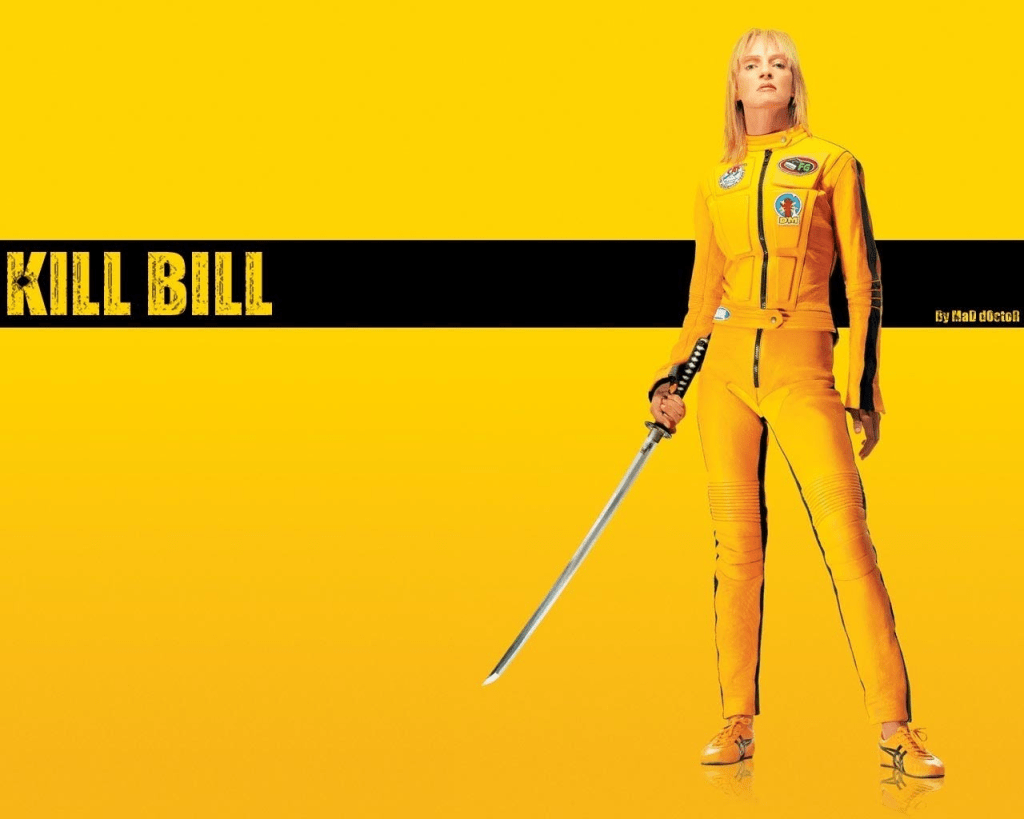
One of the greatest revenge epics ever put on film.
Quentin Tarantino has never been a subtle filmmaker, and Kill Bill is perhaps his least subtle film of all. It is also, arguably, his greatest achievement. Split across two volumes released six months apart in 2003 and 2004, Kill Bill is a four-hour revenge odyssey that draws from samurai films, spaghetti westerns, Hong Kong martial arts cinema, anime, and grindhouse exploitation pictures, blending them all together into something that feels entirely and unmistakably its own. There is simply nothing else like it.
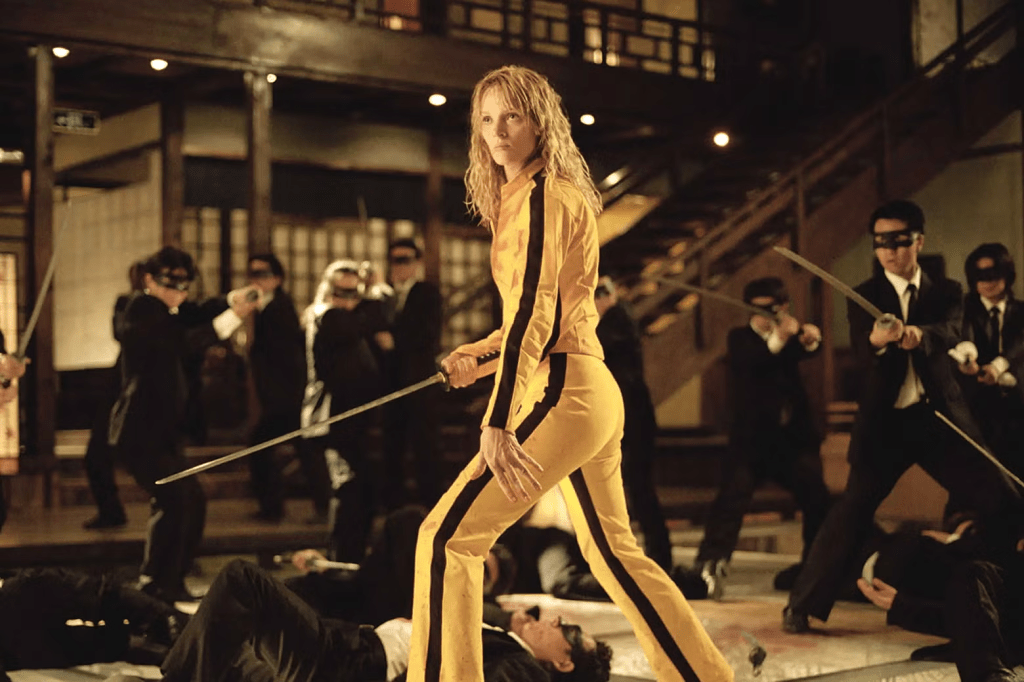
The premise is elemental. A woman, known only as The Bride and played by Uma Thurman in the defining role of her career, wakes from a four-year coma to discover that the members of the Deadly Viper Assassination Squad, her former colleagues and the people she once trusted most, massacred her wedding party and left her for dead. Her daughter, whom she did not even know she was carrying, is gone. Bill, her former lover and the squad’s leader, pulled the trigger himself. The Bride has a list. She intends to work through it.
Vol. 1 is Tarantino operating at full throttle, an explosion of style and sensation that announces its intentions immediately and never lets up. The opening black-and-white sequence, the anime interlude detailing the origin of O-Ren Ishii, the breathtaking Crazy 88 battle filmed in monochrome to preserve the film’s R rating — every sequence feels like a director showing off not out of vanity but out of genuine joy. Tarantino loves cinema with a completeness that borders on obsession, and Vol. 1 is his most exuberant expression of that love. The action choreography, overseen by the legendary Yuen Woo-ping, is among the finest ever staged for an American film. The Bride moving through wave after wave of enemies in the House of Blue Leaves is a set piece that belongs in the same conversation as the greatest action sequences in film history.
Watch Kill Bill, the Whole Bloody Affair on Prime Video
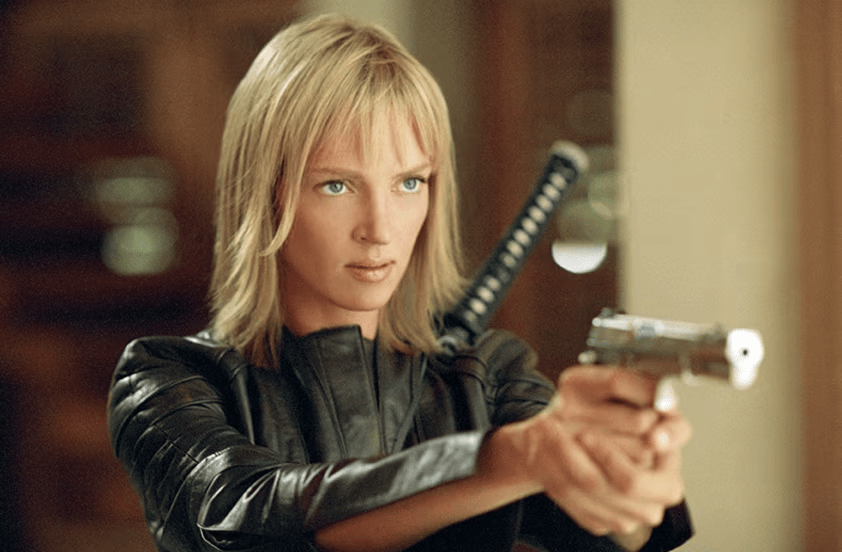
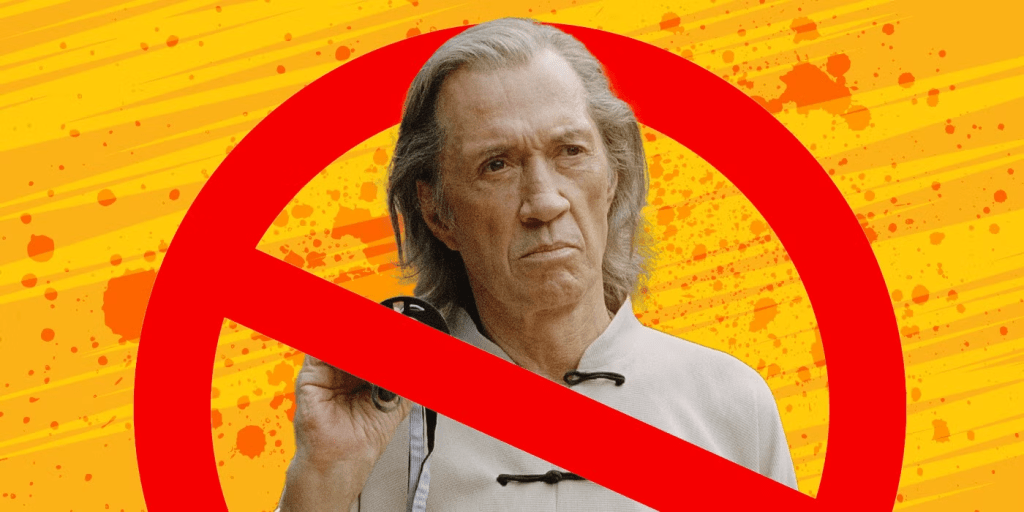
But it is Vol. 2 where Kill Bill reveals its true depth. Where the first volume is kinetic and flamboyant, the second is patient and elegiac, trading the frenetic energy of Hong Kong action cinema for the slow burn of a Leone western. The Bride’s burial alive, her training under the cruel and brilliant Pai Mei, her reunion with Bill — all of it unfolds at a deliberate pace that rewards the audience’s investment in full. David Carradine’s Bill is one of Tarantino’s finest creations: a man of genuine charisma and intelligence who is also capable of breathtaking cruelty, and Carradine plays him with a languorous authority that makes every scene he inhabits magnetic. The final confrontation between The Bride and Bill is not a battle so much as a conversation, and it is more devastating for it.
Uma Thurman carries all four hours on her shoulders and makes it look effortless. The Bride is ferocious and funny and heartbroken and utterly relentless, and Thurman never loses sight of the human being underneath the killing machine. It is a genuinely great performance that the industry has never quite given its proper due, perhaps because the films surrounding it were so stylistically dazzling that the acting got lost in the spectacle. It should not have. Thurman’s work here is what gives the whole enterprise its soul.
Order Kill Bill: Whole Bloody Affair on 4k
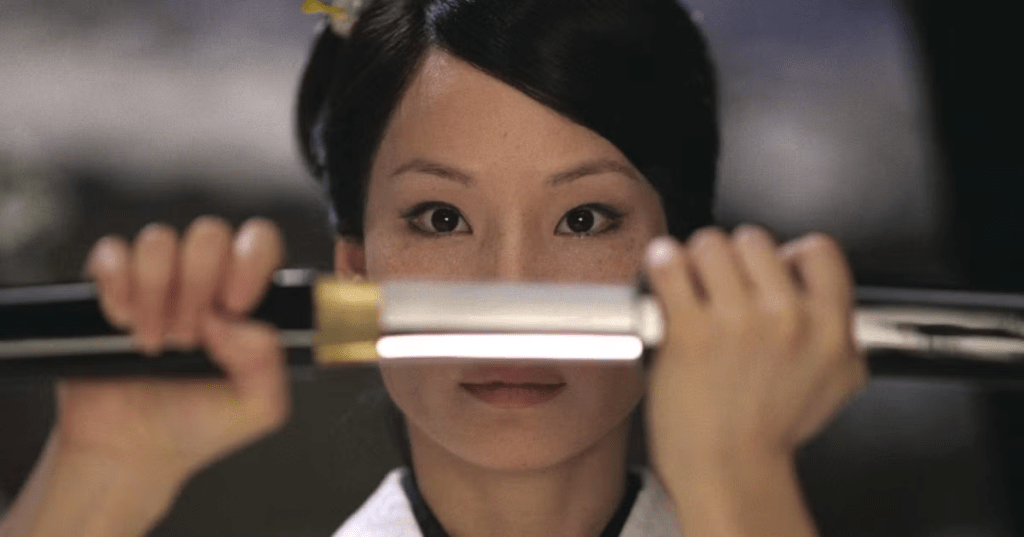
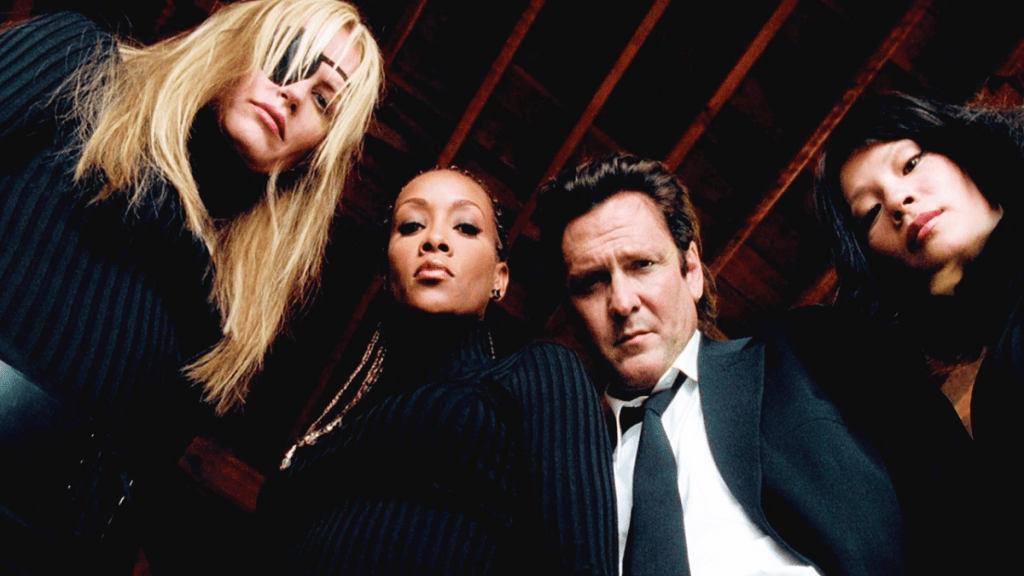
The supporting cast is extraordinary across both films. Lucy Liu brings icy menace to O-Ren Ishii. Daryl Hannah is genuinely frightening as the one-eyed assassin Elle Driver. Michael Madsen brings a worn-out sadness to Budd that adds unexpected dimension to what could have been a simple obstacle. And Gordon Liu’s Pai Mei is a creation of such magnificent theatrical absurdity that he very nearly walks away with Vol. 2 entirely.
The music deserves its own mention. Tarantino’s soundtrack choices have always been a signature, but the Kill Bill scores are something special. From the twang of Ennio Morricone to the haunting Nancy Sinatra opener, every musical selection feels perfectly calibrated to deepen the mood of the scene it accompanies. The films sound as distinctive as they look.
Viewed as a single work, which is really the only way to fully appreciate what Tarantino accomplished, Kill Bill is a towering piece of popular cinema. It is maximalist and meticulous, absurd and deeply moving, a film about grief and motherhood and betrayal wrapped inside the most elaborately constructed revenge fantasy imaginable. It earns its number two spot on this list without breaking a sweat, and it will still be earning it fifty years from now.


Leave a Reply