

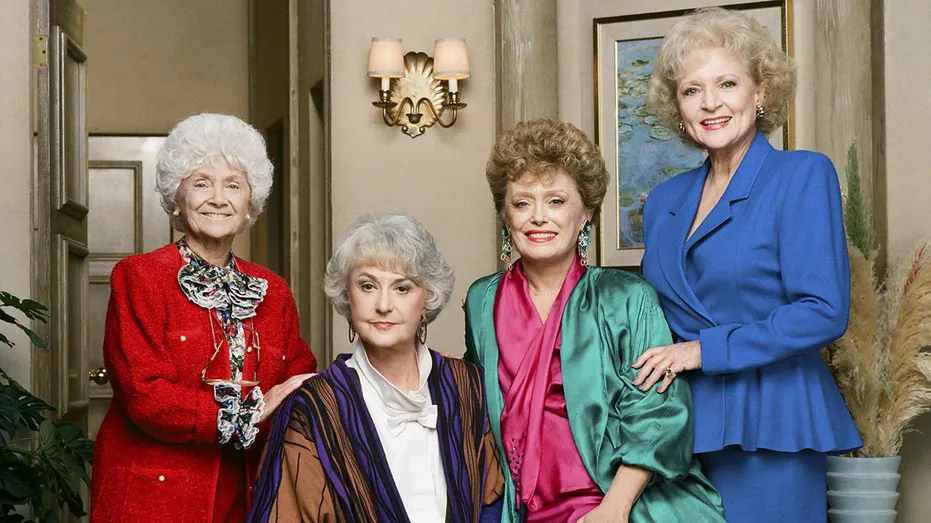
One of the most perfectly constructed ensemble sitcoms in television history. The Golden Girls made the world laugh for seven seasons and somehow got more fearless with every passing year.
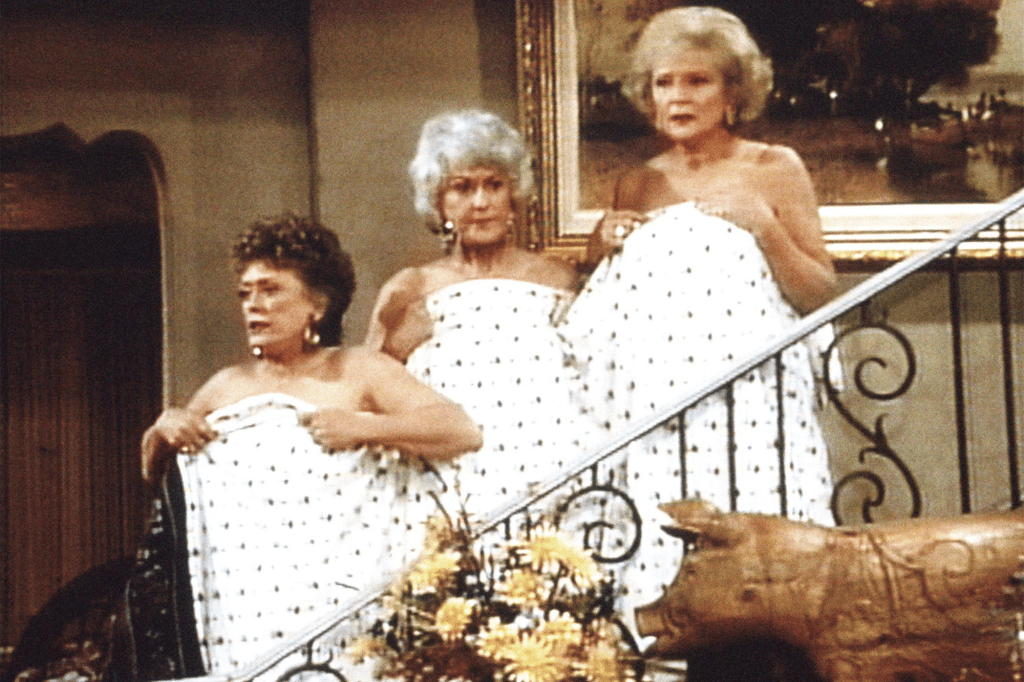
Television in 1985 was not exactly overflowing with shows built around women in their fifties and sixties living full, funny, complicated lives. The very premise of The Golden Girls was considered a risk by the standards of the era, a bet that audiences would show up week after week for a sitcom whose central characters were not young, not glamorous, and not particularly interested in apologizing for either of those things. NBC made that bet, and it paid off in historic fashion. The show ran for seven seasons, won the Emmy for Outstanding Comedy Series multiple times, and has never once stopped airing in syndication since its debut. Forty years later, it remains as funny and as sharp as it ever was.
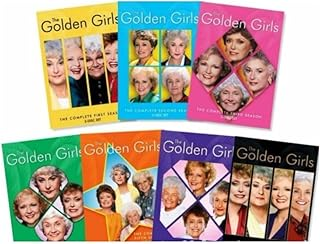
Books available:
The setup is deceptively simple. Four women share a house in Miami: Dorothy, the sardonic divorced schoolteacher with a withering wit and an even more withering stare; Rose, the sweet and relentlessly naive widow from St. Olaf, Minnesota, whose rambling stories about life back home became one of the show’s most beloved running gags; Blanche, the vain, romantic, and magnificently self-assured Southern belle who owns the house and makes no apologies for her enthusiastic social life; and Sophia, Dorothy’s elderly mother, a tiny Sicilian woman with absolutely no filter and a seemingly bottomless supply of stories that begin with the phrase “Picture it: Sicily, 1922.” Each character is a fully realized comic creation, and each one is hilarious in a completely different way. That specificity is the foundation everything else is built on.

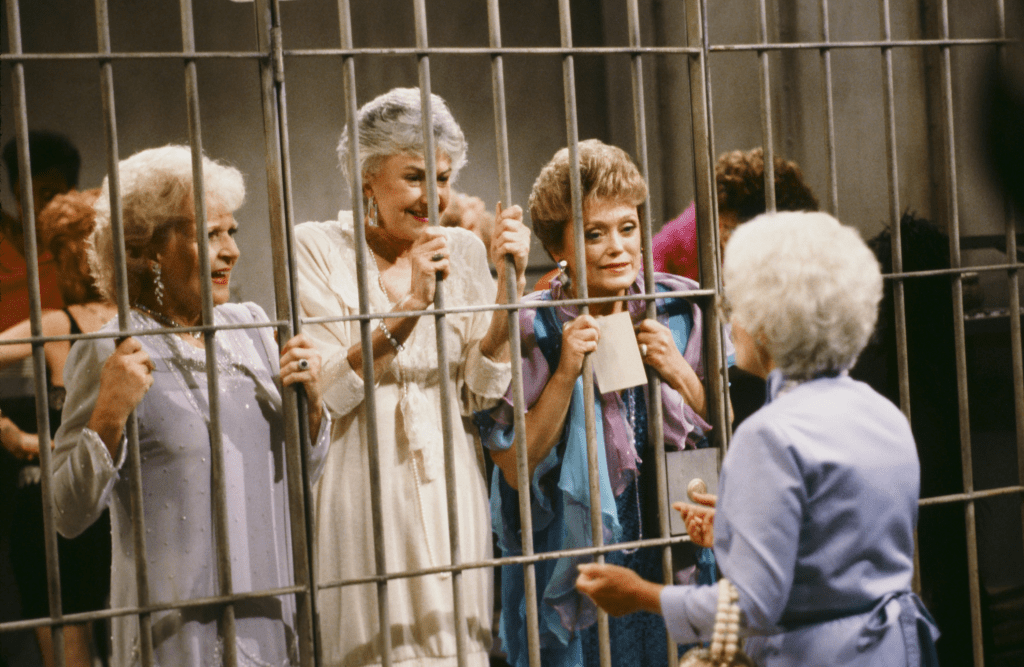
What set The Golden Girls apart from its contemporaries was its willingness to engage seriously with subjects that most sitcoms of the era would not touch. Over its seven seasons the show addressed AIDS, homosexuality, race, addiction, chronic illness, sexual harassment, aging, and mortality with a directness that was remarkable for network television in the late 1980s. Crucially, it addressed these subjects without abandoning its identity as a comedy. The show never became preachy or self-congratulatory about its own boldness. It trusted its characters and its audience enough to handle difficult material through the lens of humor, and the result was episodes that managed to be simultaneously very funny and genuinely moving.
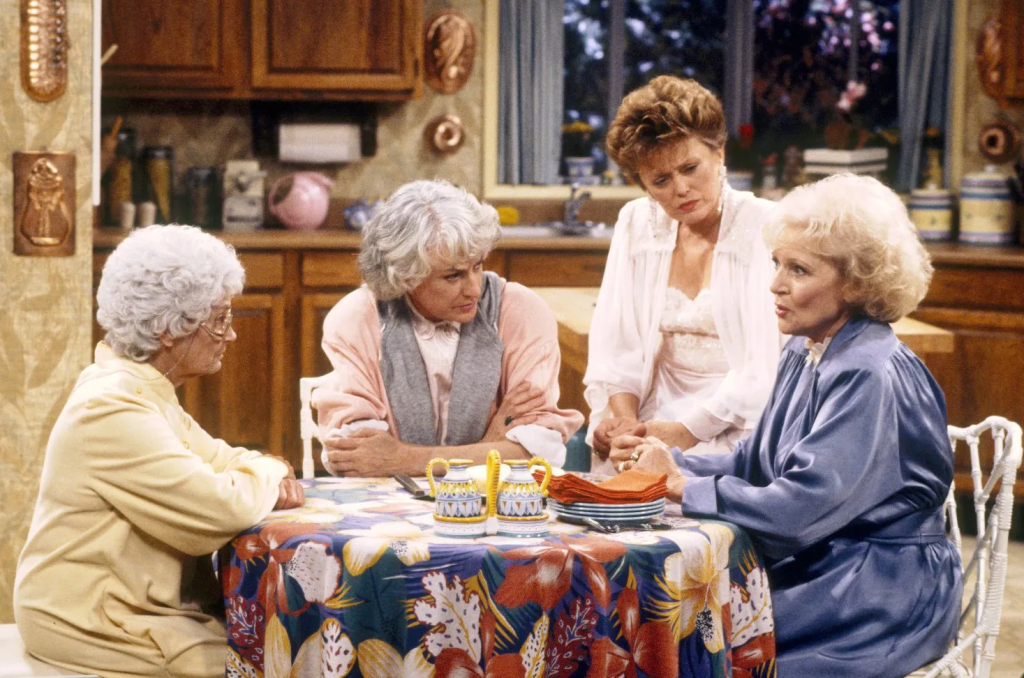
The lanai, the kitchen table, the cheesecake at midnight: these are not just set pieces but the architecture of a world that felt genuinely lived-in. The show had an unusual warmth that coexisted with its sharp edges, a belief that friendship between women is one of life’s most sustaining forces, and that belief permeates every episode without ever being stated directly. The four women bicker and insult each other constantly and love each other completely, and the balance between those two things is what gives the show its emotional core.
The writing across the show’s run is extraordinarily consistent, which is rarer than it sounds for a series that produced 180 episodes. The scripts are dense with jokes, many of them layered so that a line that gets a laugh on first viewing reveals an additional joke on the second. The timing built into the dialogue is so precise that even a cold read of most Golden Girls scripts feels funny on the page. That quality of writing attracted some of the finest comedy writers working in television at the time, and it shows in nearly every episode.
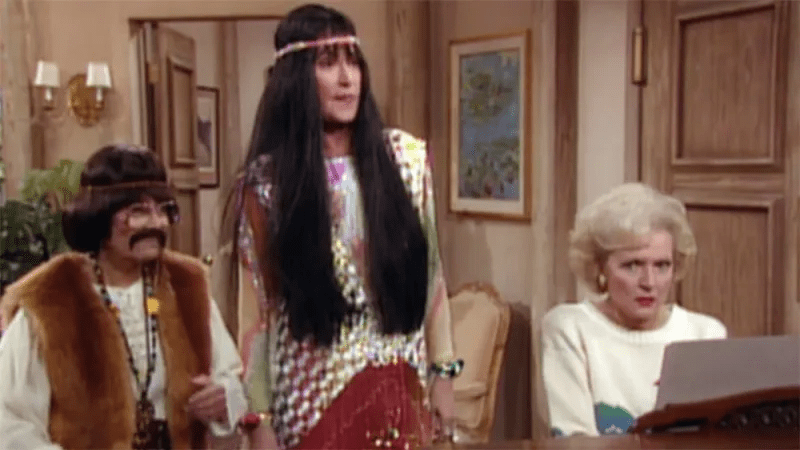
There are sitcoms that are products of their moment and sitcoms that outlast their moment entirely. The Golden Girls belongs firmly in the second category. It earned its number four spot on this list and has earned every bit of the cultural endurance it continues to enjoy. Thank you for being a friend, indeed.


Leave a comment